Pillars

Seven pillars. One unified mission.

Each pillar is structured to be evidence-based, fundable, and implementable, protecting the Greater Kruger ecosystem at landscape scale.

A coordinated landscape-level response

Rather than isolated projects, GKWF organizes conservation action across seven integrated pillars that together address the full complexity of protecting and growing the Greater Kruger ecosystem.

01 Flora & Fauna 02 Security 03 Education 04 Research 05 Infrastructure 06 Wild Space 07 Communities
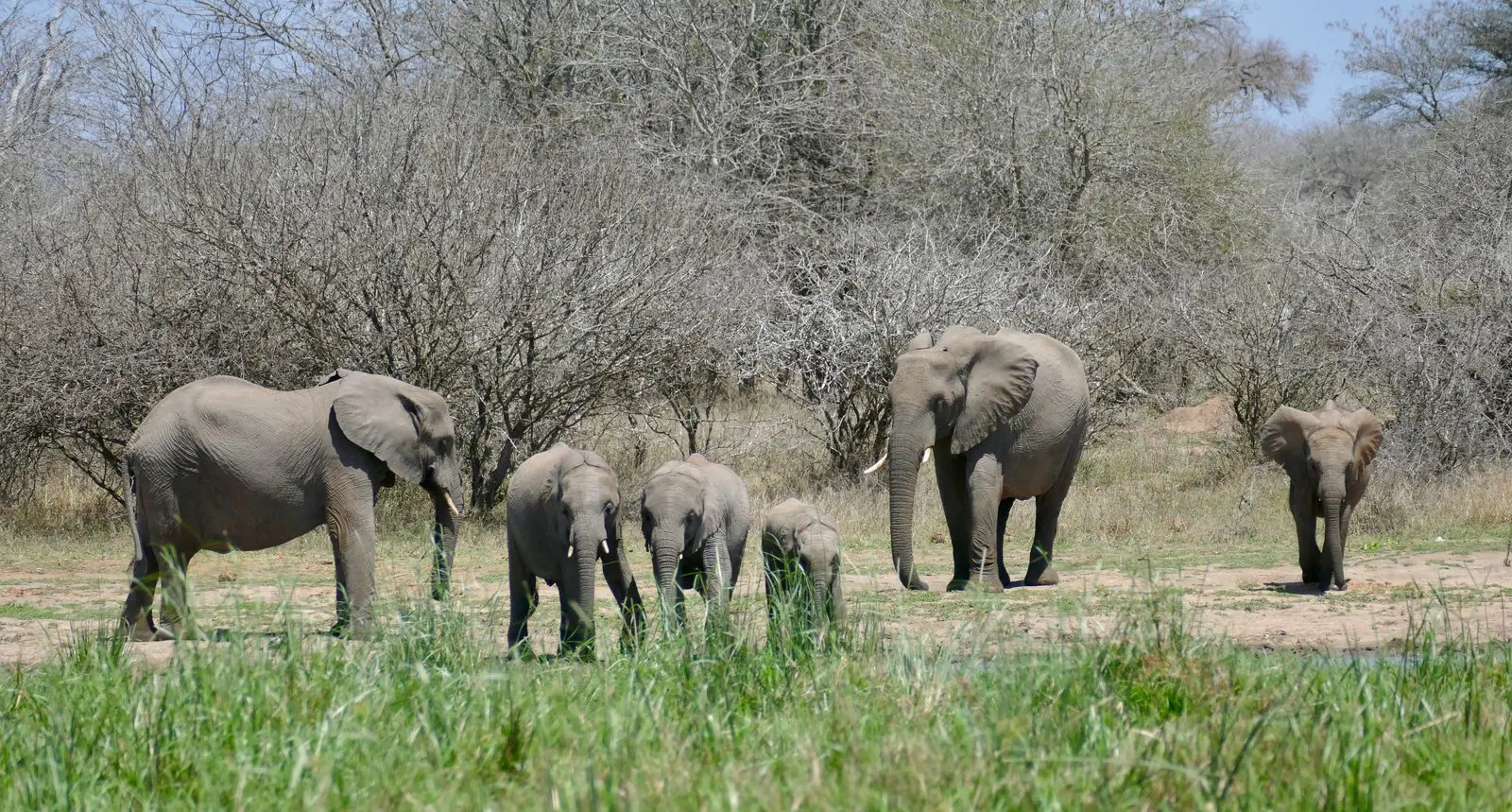
A herd of elephants approaching a waterhole south of Tshokwane, Kruger National Park
01

Preservation of Flora & Fauna

Conserving the world's most biodiverse savanna

The Greater Kruger ecosystem supports wildlife populations of global significance, including the full complement of Africa's large predators and megaherbivores. Maintaining these populations at scale requires active, coordinated stewardship across public, private, and communal lands.

GKWF works with reserve managers, ecologists, and landowners to identify system-wide threats and design ecosystem-level interventions that go beyond single-site management. Our approach is adaptive, evidence-driven, and built for the long term.

  • Population monitoring and landscape-scale species management
  • Habitat protection and corridor integrity assessments
  • Ecosystem-level interventions: fire management, water provisioning, invasive species control
  • Biodiversity baseline mapping across reserves and communal areas
  • Coordinated response to disease, climate stress, and emerging threats
Electrified protection fencing at Berg-en-Dal, Kruger National Park
02

Security & Anti-Poaching

Regional safety for wildlife and people

Effective conservation depends on a secure landscape. Poaching, illegal trade, and the human-wildlife conflict that results from unprotected boundaries undermine decades of ecological progress. Security cannot be solved reserve by reserve.

GKWF coordinates ranger operations, intelligence sharing, and enforcement capacity across reserve boundaries. We invest in the people on the ground, the systems that support them, and the technology that multiplies their effectiveness.

  • Intelligence-led enforcement and cross-boundary operations coordination
  • Ranger training, welfare, and professional development
  • Technology-enabled detection: drones, acoustic sensors, satellite monitoring
  • Community-based reporting networks and conflict rapid response
  • Legal and judicial partnership to ensure prosecution outcomes
Innovative Solutions
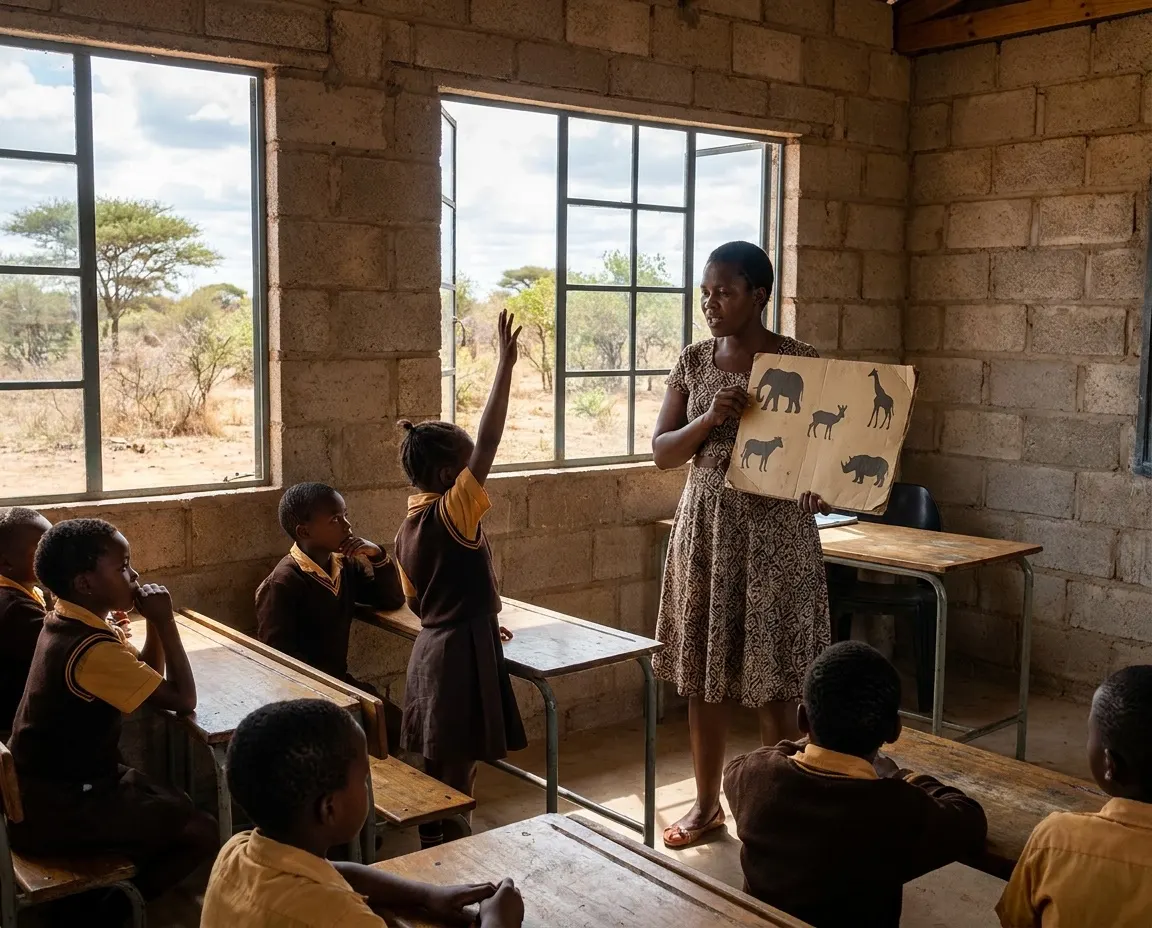
Students engaged in outdoor conservation education in Africa
03

Education & Co-Learning

Where conservation science meets lived knowledge

Sustainable conservation is not transmitted in one direction. The communities living alongside the Greater Kruger hold ecological knowledge accumulated over generations. International researchers bring analytical tools and global context. GKWF creates the structures for genuine mutual understanding between these knowledge systems.

From school curricula to ranger academies to international exchange programs, education is woven through every pillar, not siloed as an outreach exercise.

  • School and youth programs embedding conservation into local curriculum
  • Ranger and community educator training academies
  • Scientist-in-residence and community-knowledge-holder exchange programs
  • Multilingual knowledge documentation and publication
  • University partnerships with field-based research placements
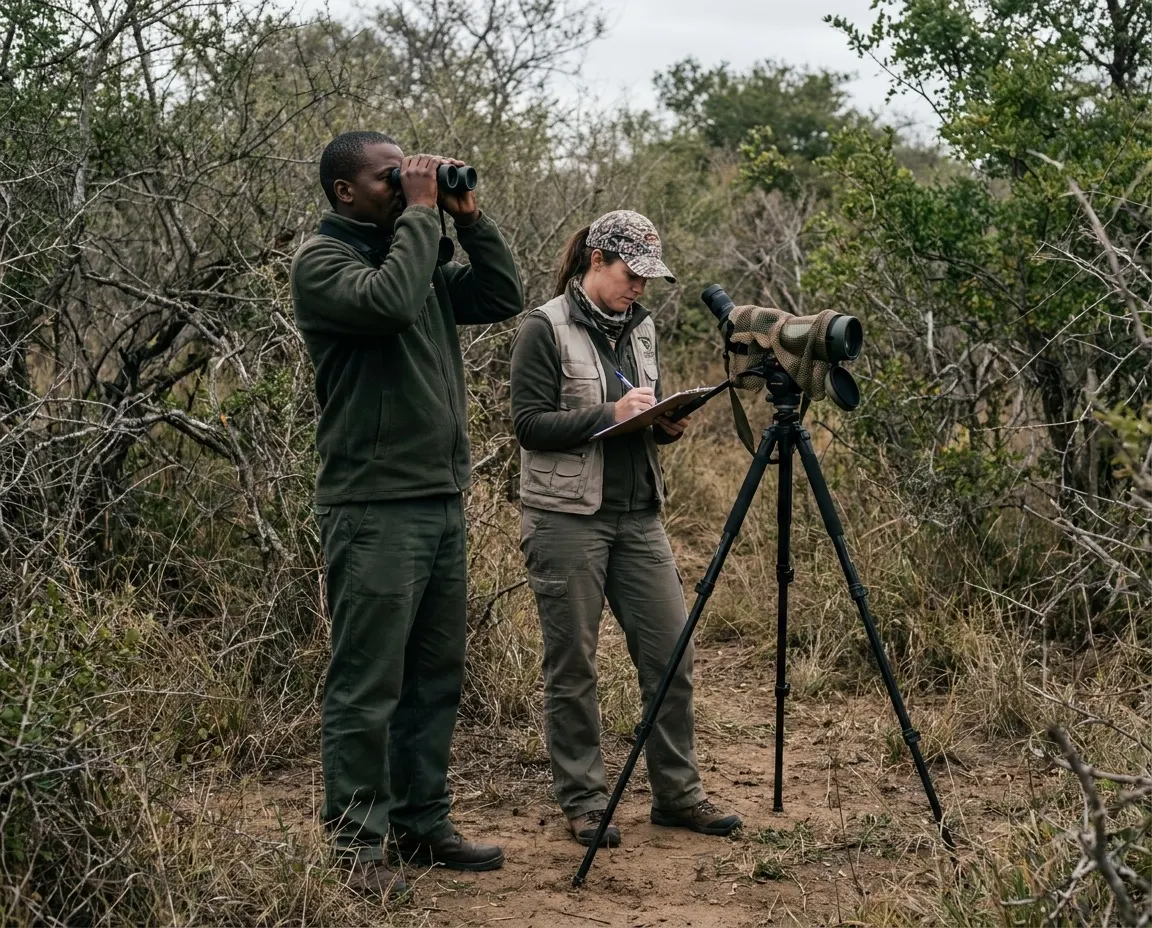
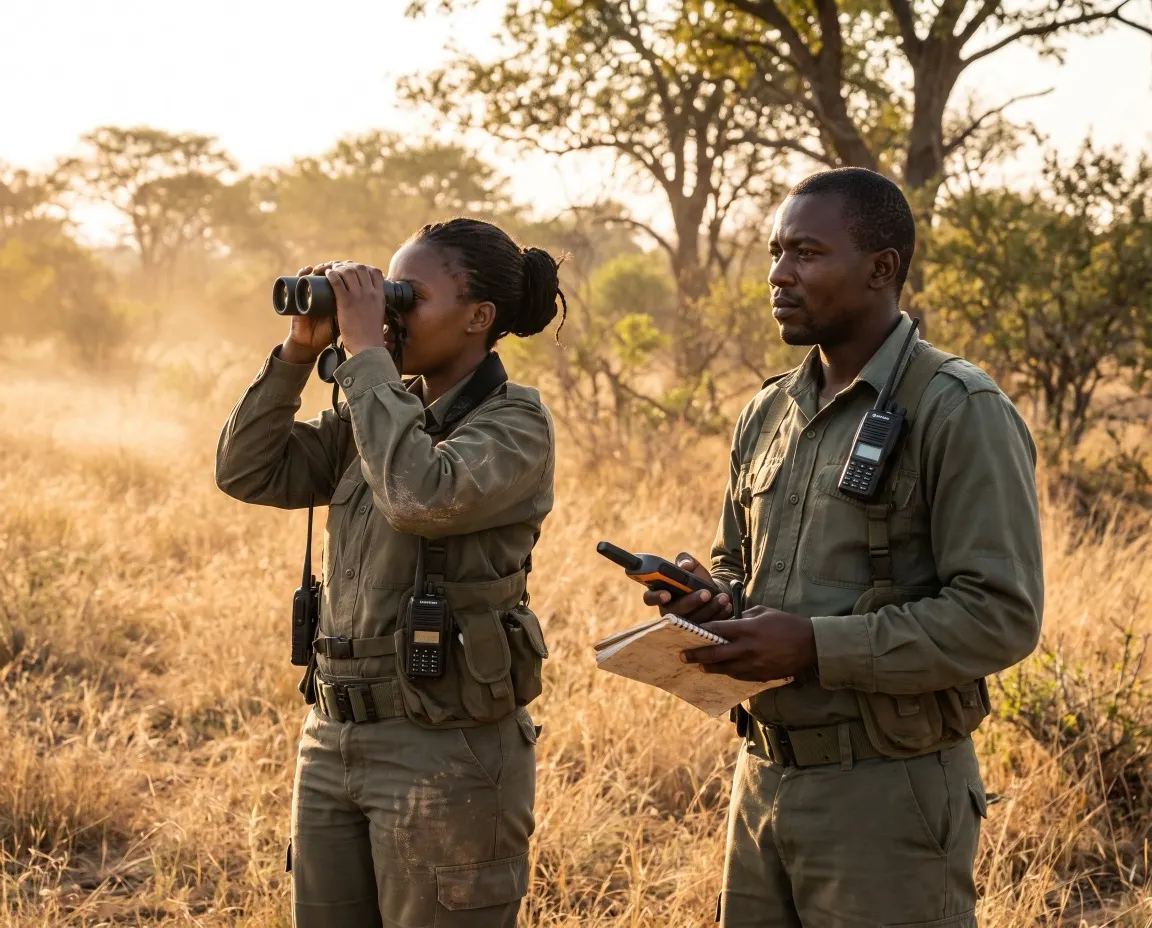
Field researchers conducting a wildlife study in the Greater Kruger
04

Research Programs

Building on the world's richest conservation research record

More than 2,000 research programs have been completed across the Greater Kruger ecosystem, in partnership with over 100 leading universities and research institutions worldwide. This is the most comprehensive longitudinal conservation dataset on the African continent.

GKWF exists to build on this legacy, not replicate it. We coordinate the research agenda, surface gaps, fund priority investigations, and ensure that findings translate into actionable conservation decisions, not just academic outputs.

  • Longitudinal biodiversity and population studies across the full 35,000 km²
  • Climate adaptation modelling and ecological stress indicators
  • Human-wildlife interface research informing conflict reduction strategies
  • Novel financial and governance models for landscape conservation
  • Open-access data infrastructure enabling global research collaboration
Innovative Solutions
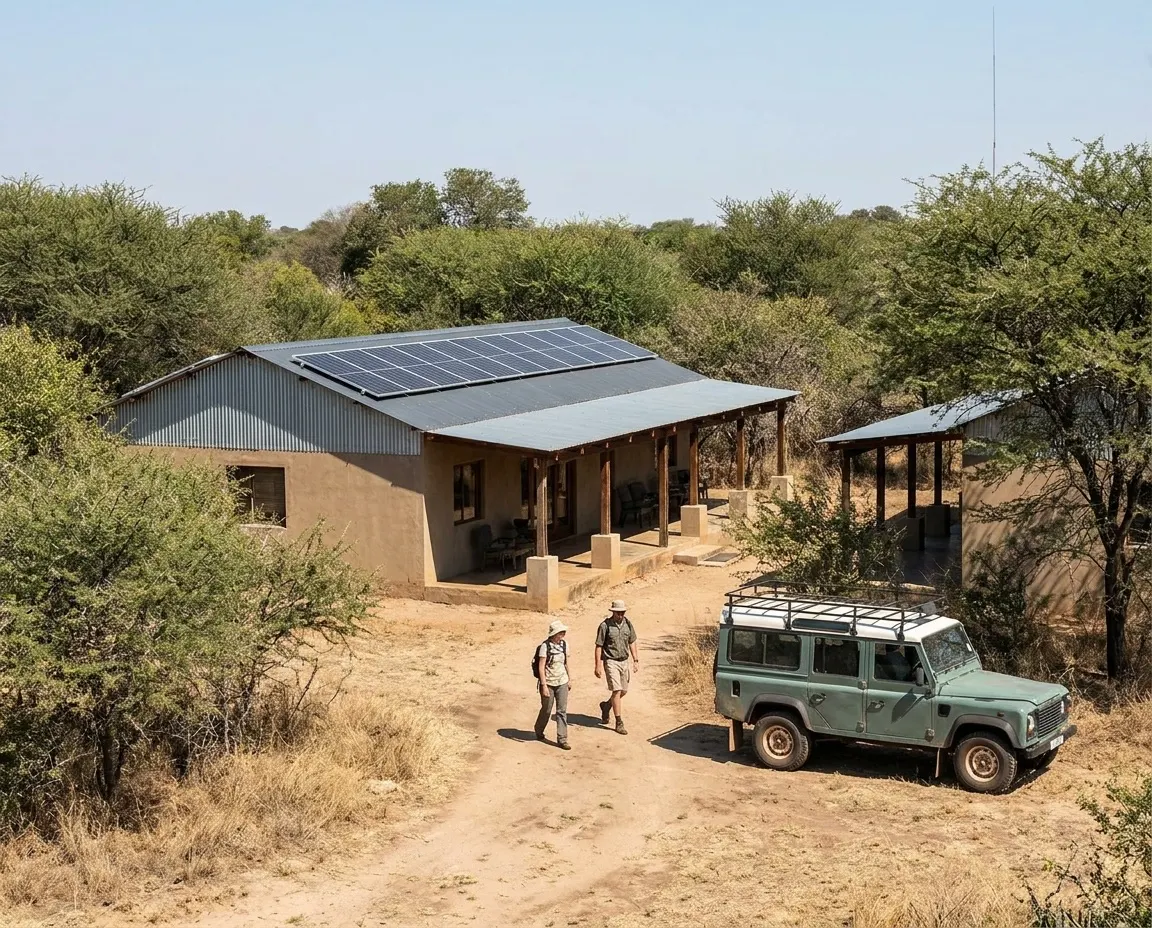
Off-grid research infrastructure in the Greater Kruger
05

Infrastructure Investment

Building the backbone for long-term conservation

Conservation operations, community livelihoods, and responsible tourism all depend on functional, resilient infrastructure. Across the Greater Kruger, infrastructure deficits limit both ecological effectiveness and economic opportunity, particularly in communal areas and private reserves operating with constrained budgets.

GKWF invests in low-impact, sustainable infrastructure that serves conservation goals first. Every infrastructure project is evaluated for its long-term ecological benefit alongside its operational and economic returns.

  • Off-grid solar energy systems for ranger stations, research camps, and community facilities
  • Water infrastructure: boreholes, pipeline networks, and artificial waterpoints for wildlife
  • Digital connectivity enabling real-time ecological monitoring and remote operations
  • Low-impact tourism infrastructure supporting conservation economics
  • Cross-reserve road and access networks enabling coordinated management
Innovative Solutions
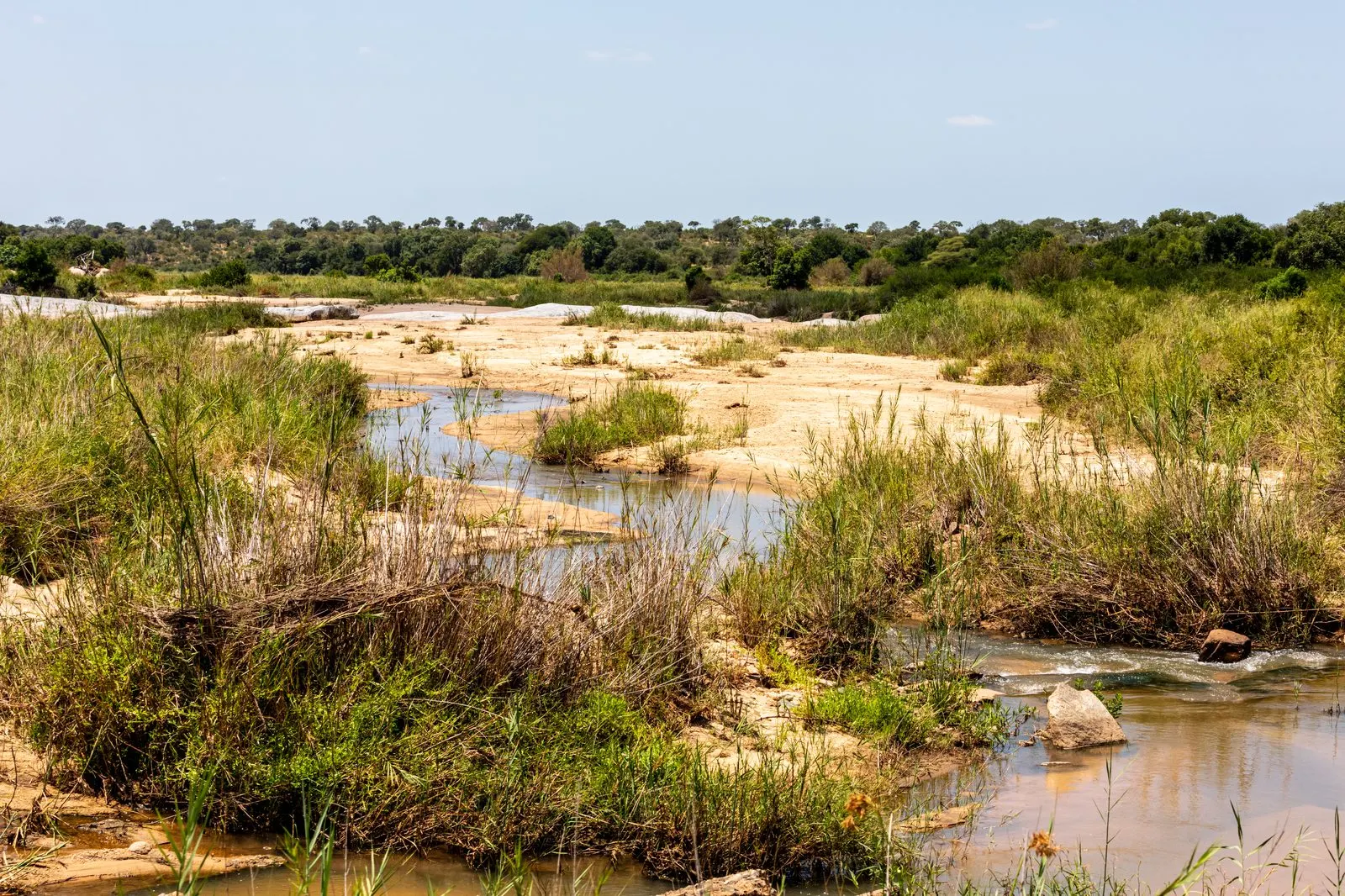
The Sand River winding through the Kruger landscape
06

Wild Space Expansion

Growing the living landscape beyond its current boundaries

The protected Greater Kruger landscape already encompasses 35,000 km², over 3.5 million hectares, within the 100,000 km² Greater Limpopo Transfrontier Conservation Area. But the ecological processes that sustain this landscape, wildlife migration, seasonal dispersal, genetic exchange, do not recognize legal boundaries. Fragmentation is one of the most significant long-term threats the system faces.

GKWF works to expand the protected footprint by connecting reserves, restoring degraded corridors, and negotiating new conservation agreements with adjacent landowners and communities. Every hectare added increases the system's resilience.

  • Corridor identification, land assessment, and strategic acquisition facilitation
  • Fence removal and boundary integration between compatible reserves
  • Restoration of degraded land on the ecosystem periphery
  • Cross-border coordination within the Greater Limpopo Transfrontier Conservation Area
  • Conservation easement structures enabling expansion without land purchase
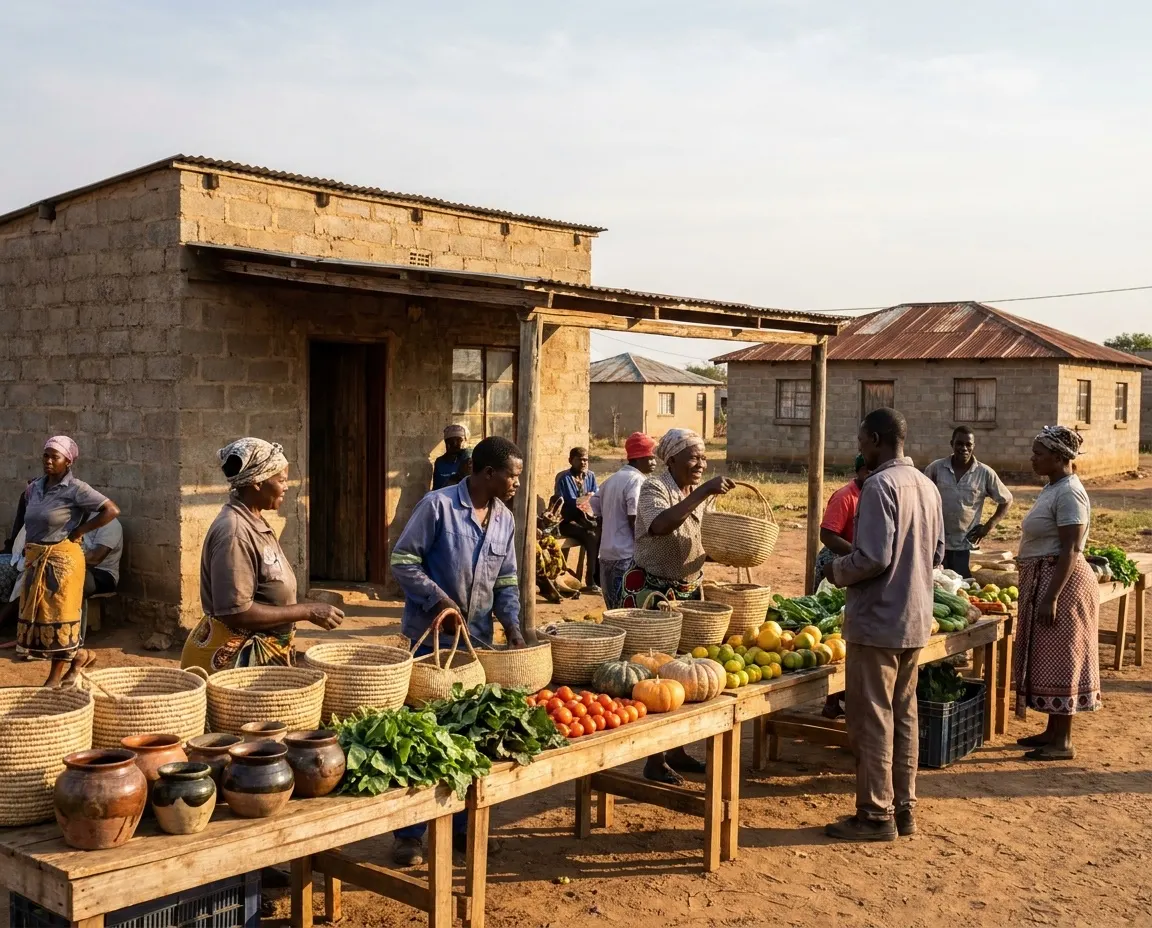
Community-run enterprise in a village adjacent to the Greater Kruger
07

Community Business Development

Long-term partnerships, not outreach

Communities living alongside the Greater Kruger bear real costs from conservation: livestock taken by predators, crops damaged by elephants, land-use restrictions that limit agricultural options. Acknowledging and compensating these costs is not charity, it is the foundation of a durable partnership.

GKWF works with communities to develop enterprise models that generate sustainable income from the conservation landscape, and compensation frameworks that fairly address wildlife-attributable losses. Our goal is that communities see conservation as economically rational, because it is.

  • Enterprise incubation: conservation-compatible business development and market linkages
  • Wildlife damage compensation frameworks that respond quickly and fairly
  • Community ranger and conservation employment pathways
  • Benefit-sharing frameworks tied to reserve and tourism revenues
  • Land tenure, governance, and legal support for community conservation areas

Innovation as standard practice

Innovative solutions are not a separate pillar at GKWF. They are embedded across all seven pillars. Conservation at landscape scale demands new financial structures, new technology applications, and new models for partnership that have not yet been attempted at this scale in Africa.

From satellite monitoring and AI-assisted detection to novel endowment structures and carbon market integration, GKWF is building the infrastructure for a new generation of conservation finance and delivery.

Technology

Drones, acoustic sensors, satellite imagery, and AI detection applied across security, research, and habitat monitoring.

Finance

Perpetual endowment, carbon credit structures, blended finance instruments, and co-investment frameworks for sustained conservation.

Partnerships

Fortune 500 boards, global universities, community enterprises, and government bodies structured for genuine shared outcomes.

Data

Open-access longitudinal datasets and real-time monitoring infrastructure enabling evidence-based decision-making at scale.

35,000 km² Protected Landscape
3.5M ha Hectares Under Management
2,000+ Research Programs Completed
100+ Partner Universities
7 Integrated Pillars
$100M Annual Budget · Target

Includes Kruger National Park, the most prolific African park in the world, within arguably the most biodiverse landscape on Earth.

Fund a pillar. Partner on a pillar. Grow the impact.

Whether you are a private donor, a foundation, a research institution, or a corporate partner, there is a meaningful role in this work. Every pillar is structured to receive investment, deliver measurable outcomes, and scale.