Conservation that begins with the people who live it.
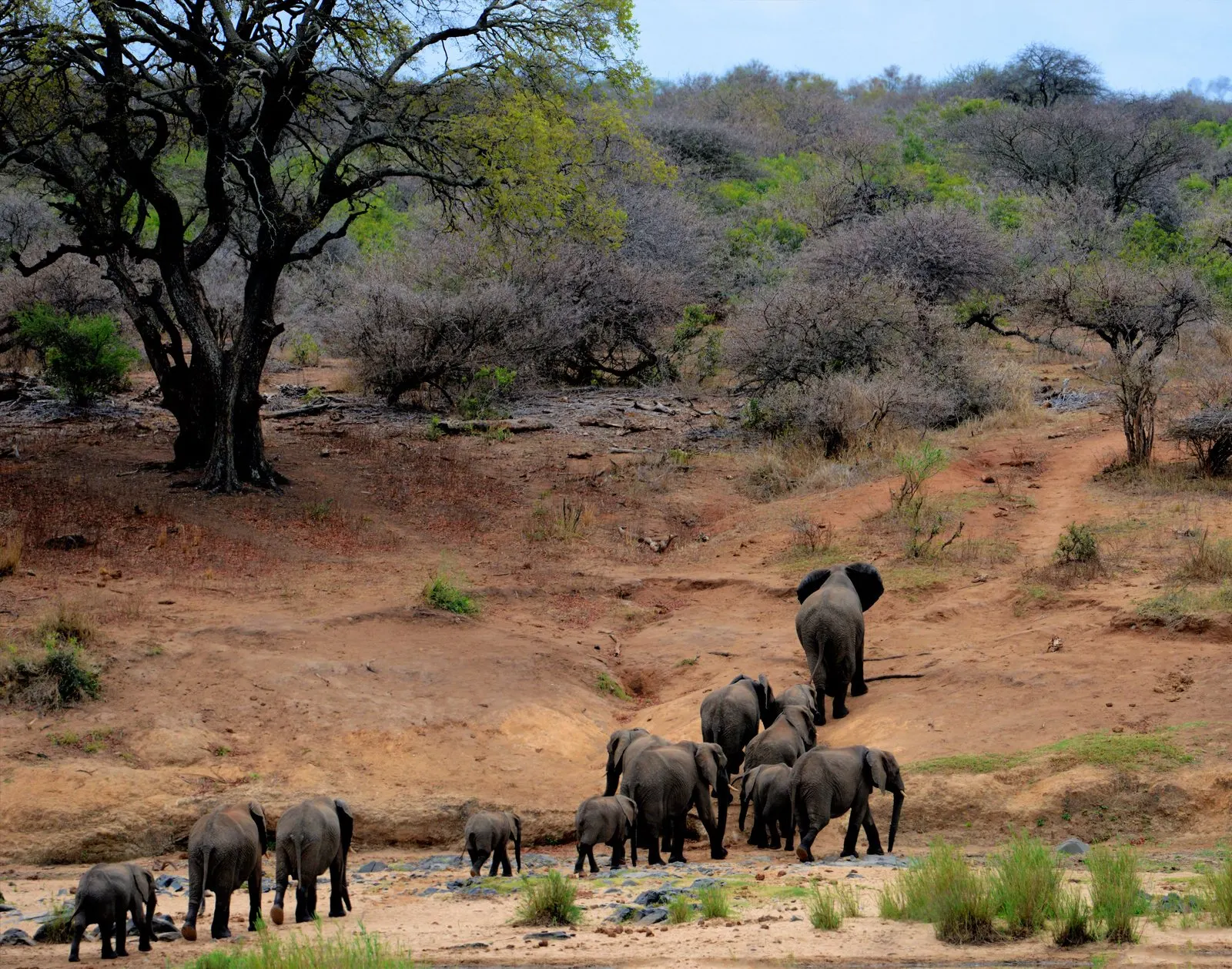
Long-term conservation success depends on people. We work with communities within and surrounding the Greater Kruger to build genuine partnership: not outreach.
Understand local priorities
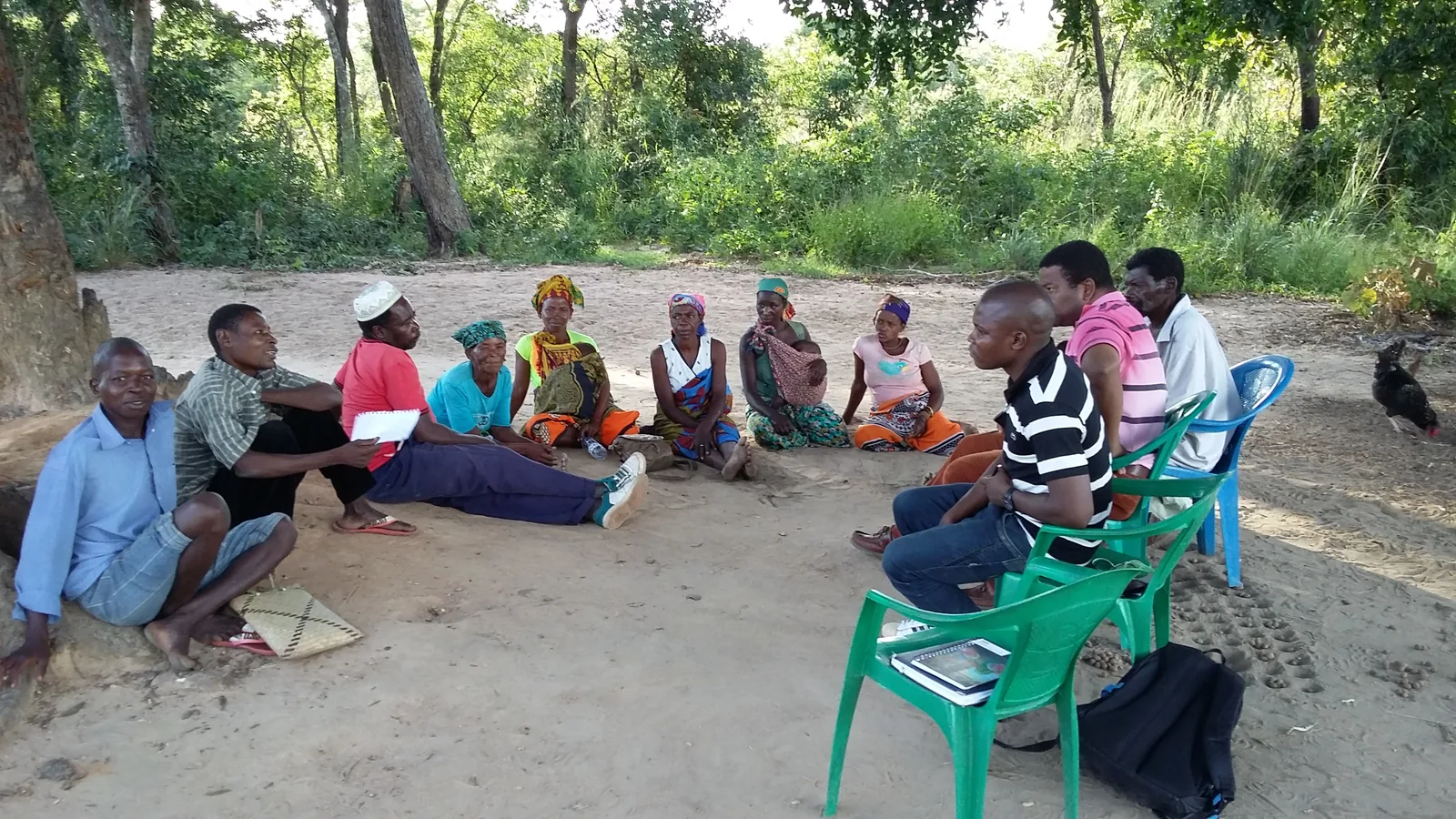
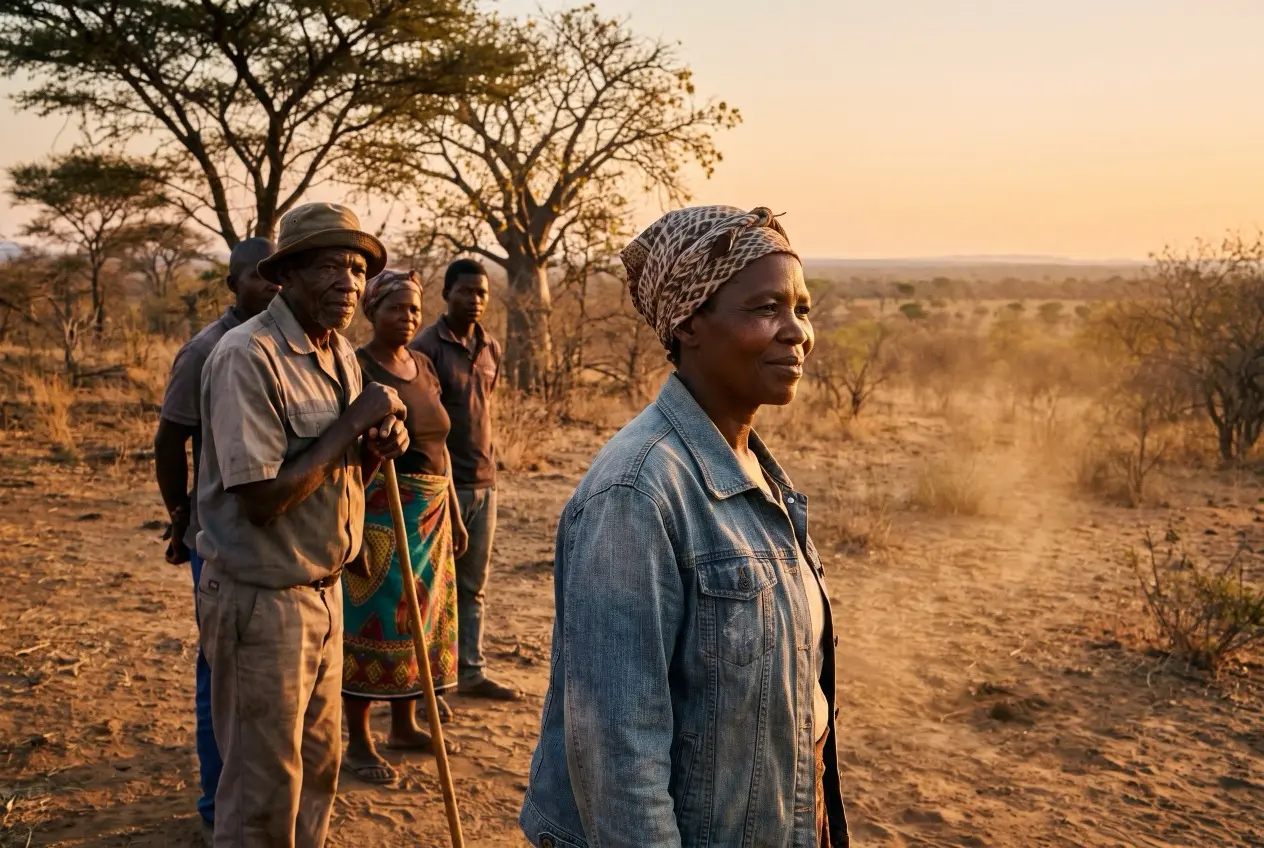
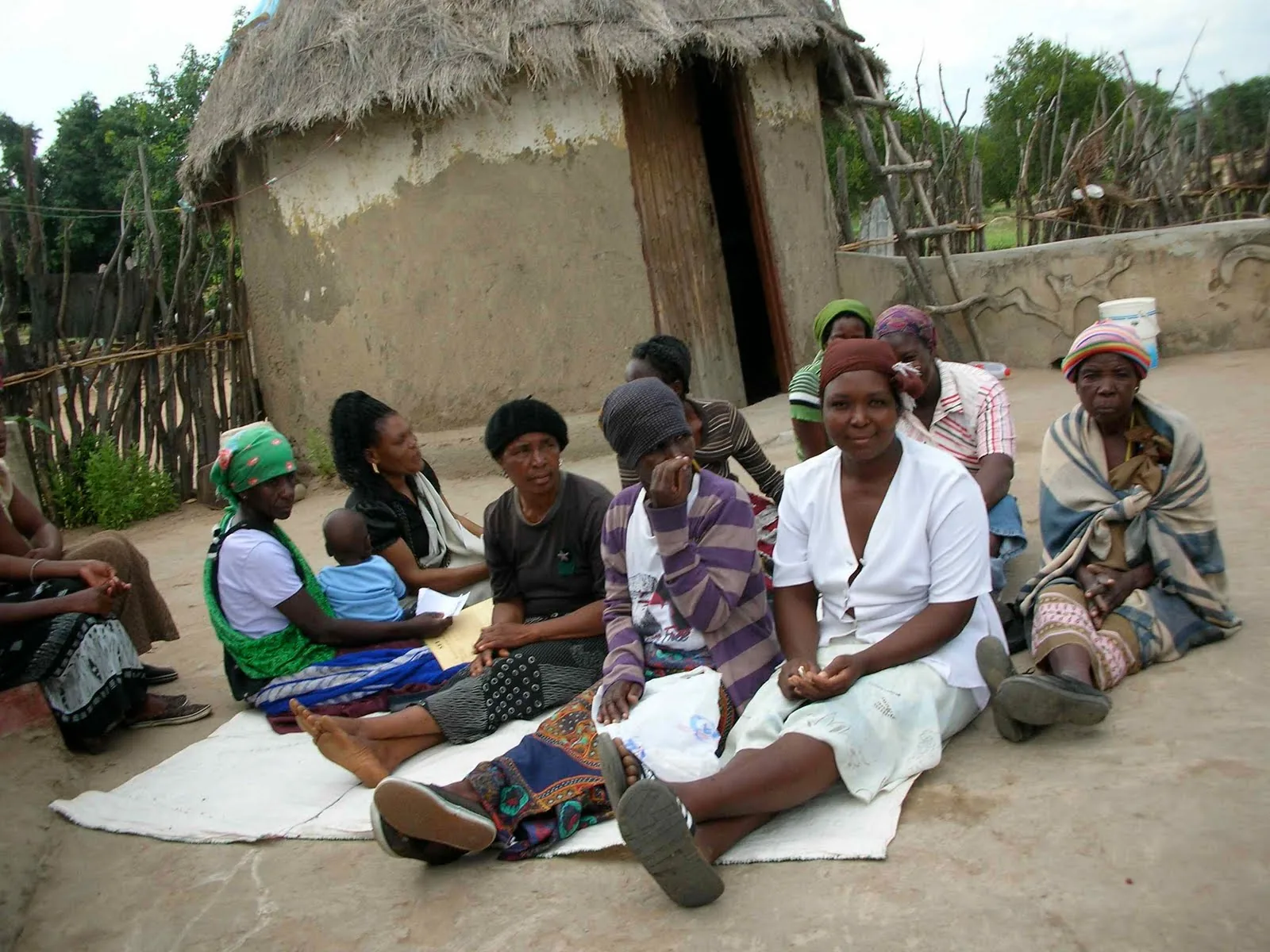
Genuine partnership begins with listening. Before proposing solutions, GKWF invests in understanding the real priorities, pressures, and aspirations of communities who have lived alongside the land for generations. Traditional ecological knowledge is not supplementary context; it is foundational.
- Structured consultation before designing any intervention
- Respect for and integration of traditional land and wildlife knowledge
- Community voices shape program objectives and success metrics
Reduce human-wildlife conflict
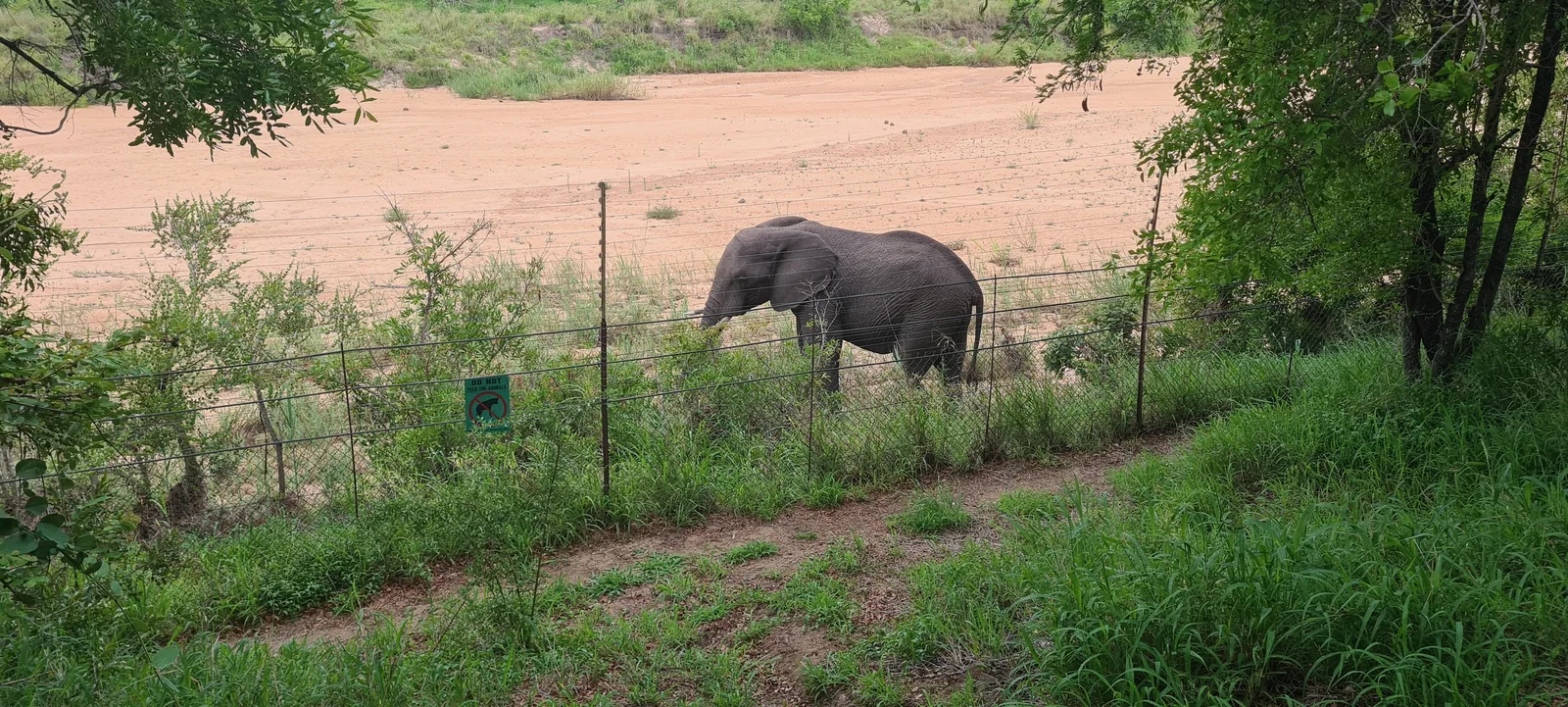
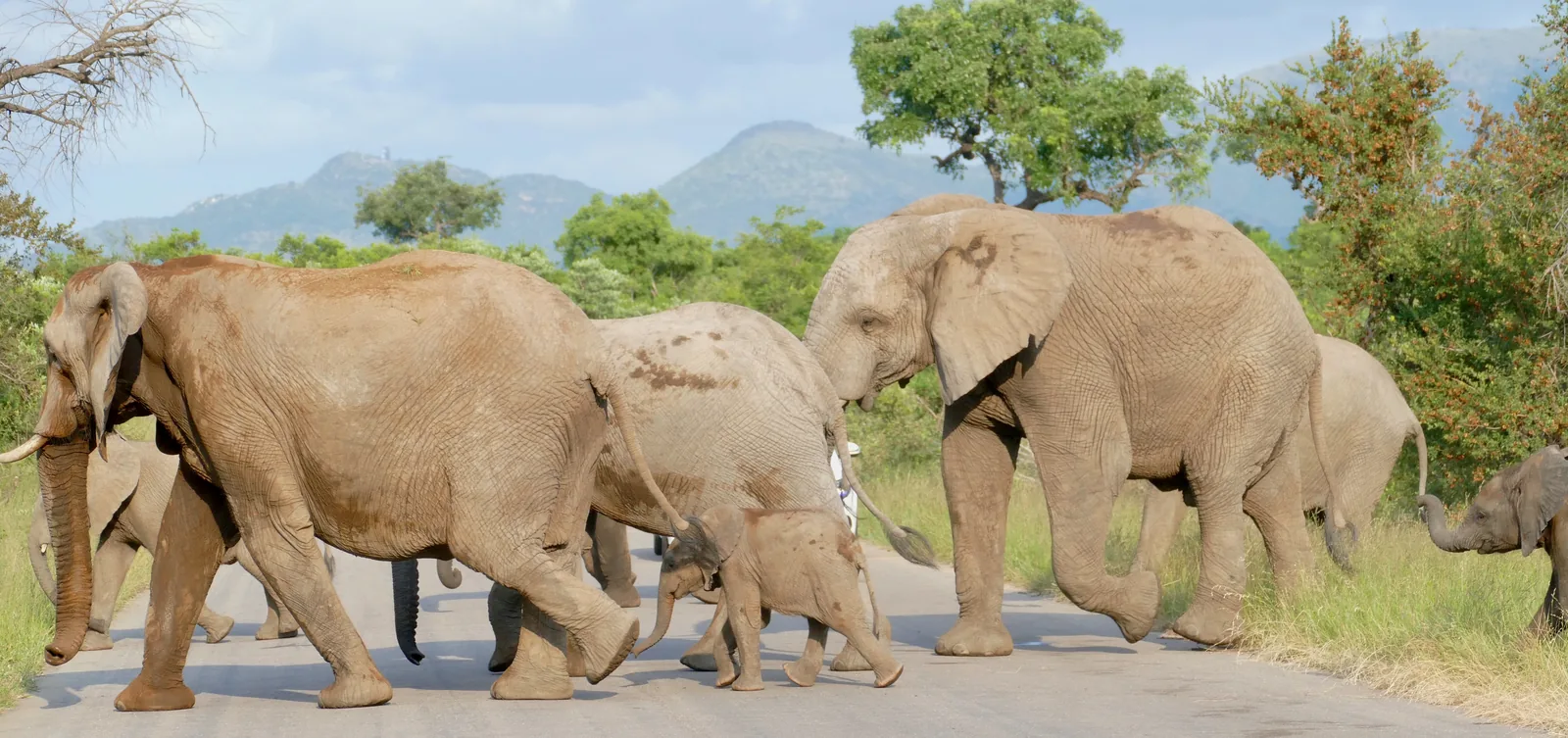
Where livestock and predators share the same landscape, the consequences can be devastating for both families and wildlife populations. GKWF works at this boundary with practical, evidence-based interventions designed in collaboration with the communities who bear the cost.
- Livestock protection infrastructure co-designed with herders and rangers
- Compensation frameworks that respond quickly and fairly
- Early-warning systems and community-led monitoring protocols
Identify shared benefits
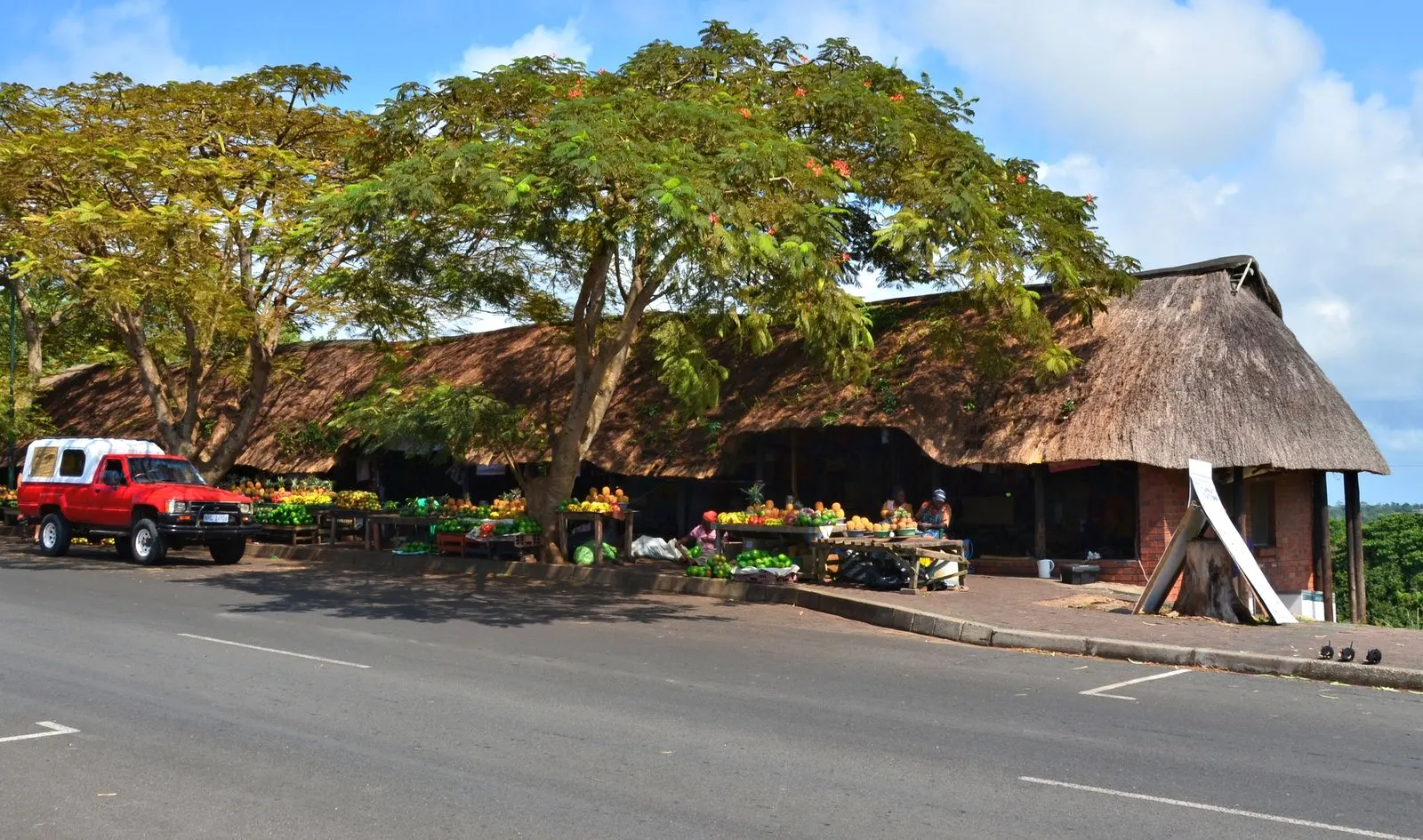
Conservation is not viable when its costs fall entirely on communities and its benefits flow elsewhere. GKWF structures programs to deliver measurable economic value to community partners: through enterprise development, employment pathways, royalty arrangements, and direct market access.
- Tourism and hospitality enterprise co-investment
- Conservation employment and skills pipelines directly into reserves
- Revenue-sharing and royalty structures where wildlife value is created
Support community-led initiatives
The most durable conservation outcomes are those communities choose for themselves. GKWF provides funding, capacity building, and governance support to community-initiated projects, with community leadership retained at every stage of design, implementation, and evaluation.
- Grant and seed capital structured to build long-term self-sufficiency
- Governance and financial management capacity building
- GKWF facilitates; the community leads and retains ownership
Our goal is not outreach. It is partnership.
GKWF Operating Principle
Building enterprises alongside the wild.
Community Business Development is a dedicated GKWF program area focused on creating genuine, lasting economic opportunity in communities that share land, water, and wildlife with the Greater Kruger ecosystem. This is not corporate social responsibility at a distance; it is direct co-investment in enterprises that make conservation economically rational at the household and community level.
Alongside enterprise programs, GKWF administers structured compensation frameworks for households and smallholders who absorb the direct costs of human-wildlife conflict. Where a predator takes livestock or crop damage is sustained, swift and fair compensation is the foundation of sustained goodwill toward conservation.
Community-owned wildlife tourism
Co-investment in photographic safaris, cultural immersion experiences, and hospitality enterprises that return revenue directly to the communities in which they operate.
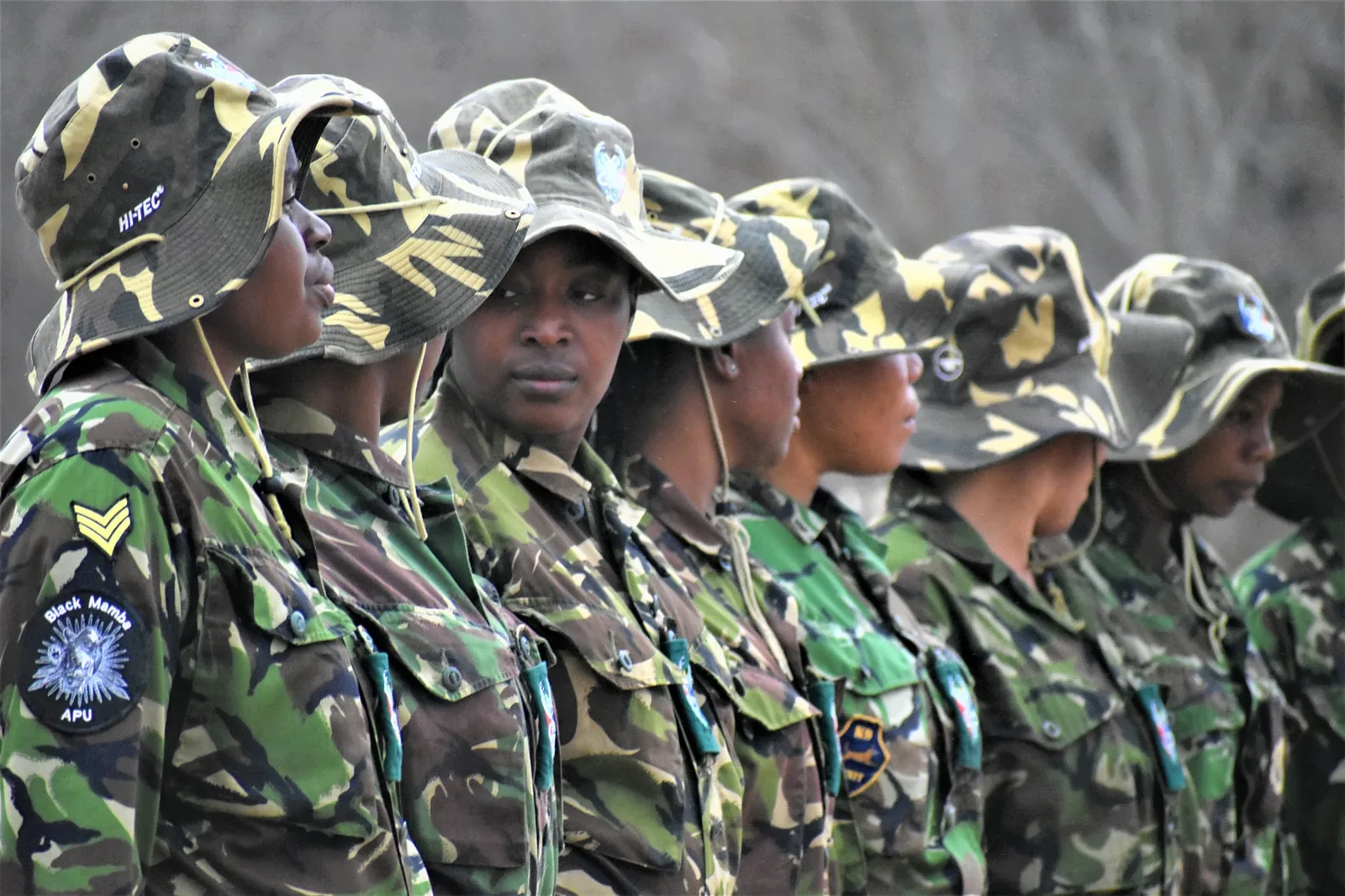
Rangers, trackers and field scientists
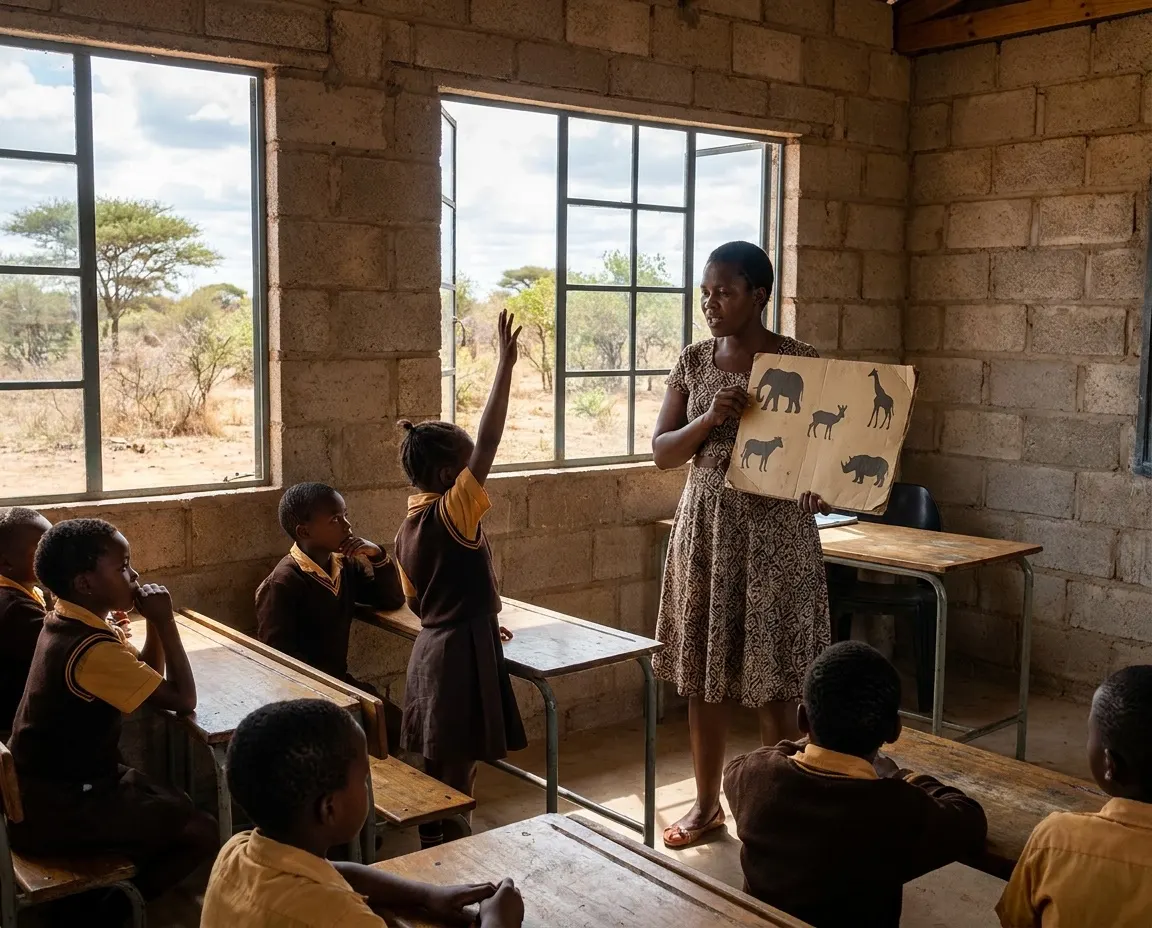
Skills pipelines from community schools into professional ranger corps, wildlife monitoring teams, and conservation research roles across GKWF partner reserves.
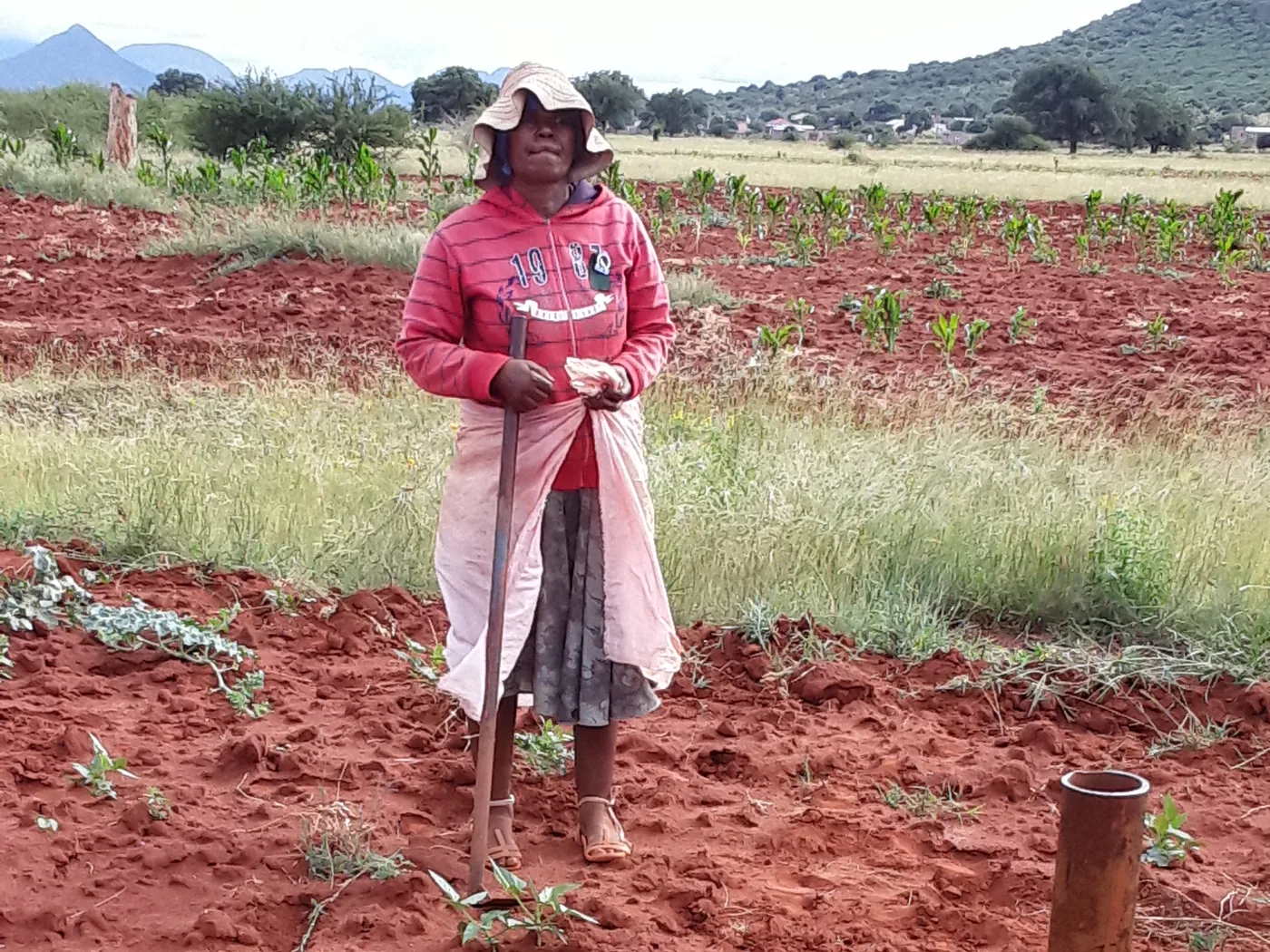
Sustainable smallholder systems
Support for wildlife-compatible agricultural enterprises, fair compensation frameworks, and market-linkage programs that reduce dependence on high-conflict land uses.
Building the next generation of conservationists
Field education programs, conservation scholarships, and vocational training in collaboration with partner universities, embedding long-term human capital in the landscape.
Work With Us