Our Approach

How we turn problems into action.

We work across reserves, communities, and sectors to translate landscape-scale challenges into structured, fundable, implementable initiatives.
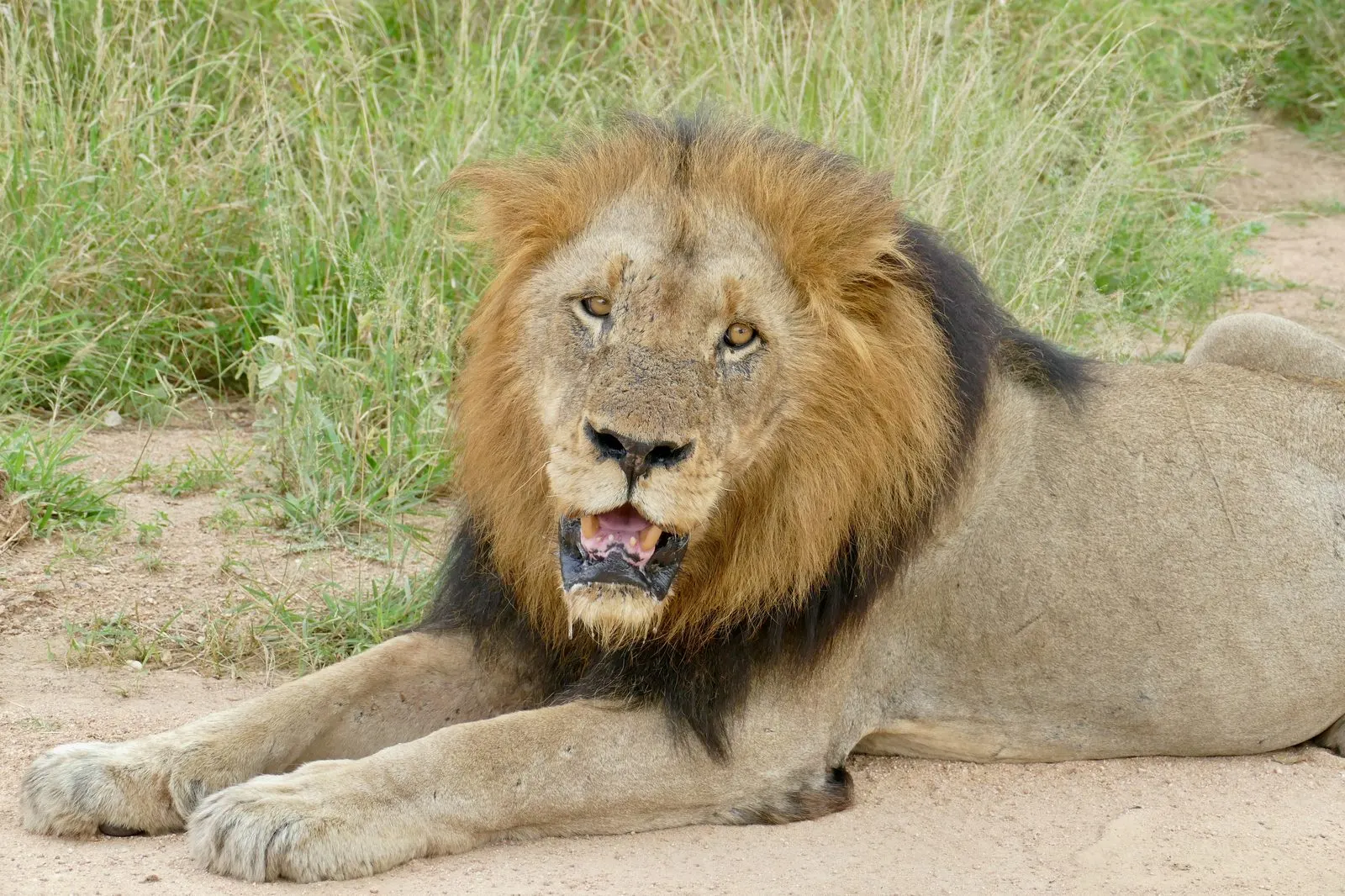
A male lion in the Greater Kruger near Skukuza
The Greater Kruger Ecosystem
Scroll to explore
Strategic Step I

On-the-Ground Engagement

At the center of our work is direct engagement across the landscape. The GKWF maintains an active presence across public, private, and communal lands, building trusted relationships with reserve managers, rangers, ecologists, and communities.

Presence is the product: without people on the ground, the problems that matter most stay invisible.

This enables us to:

  • Understand real-world constraints and emerging threats
  • Identify shared challenges across reserves
  • Build alignment around priorities and solutions
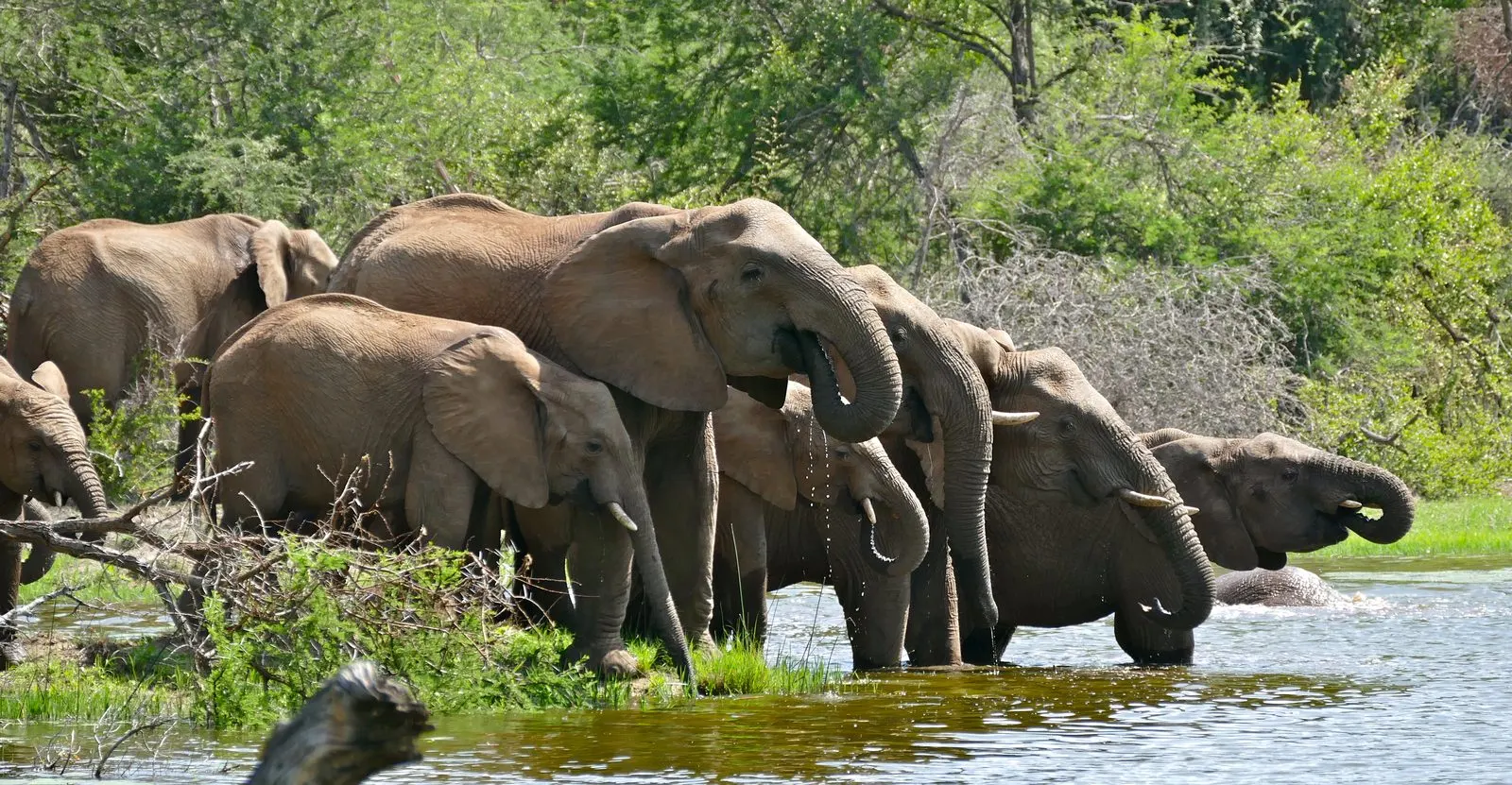
Elephants drinking at Lake Panic near Skukuza, Kruger National Park
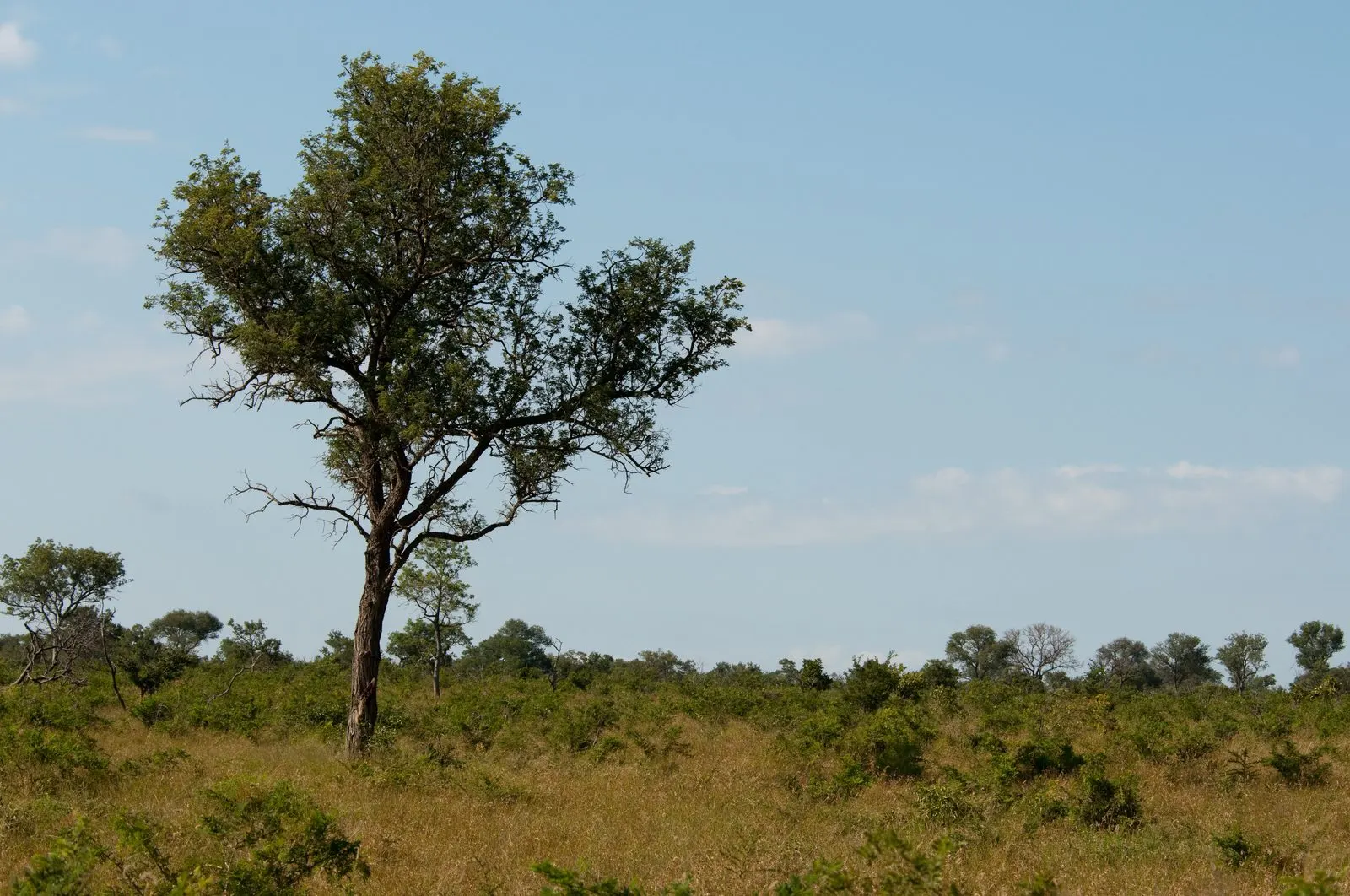
Knobthorn savanna in the Greater Kruger lowveld
Strategic Step II

From Problems to Actionable Solutions

Insight only counts once it becomes a plan. GKWF turns field observations into structured initiatives, each grounded in evidence and built to produce measurable outcomes.

This includes:

  • Defining clear conservation problems
  • Establishing measurable objectives
  • Prioritizing actions based on impact and feasibility
  • Designing scalable, evidence-based interventions

Each initiative is built to be implementable, not theoretical.

Strategic Step III

Funding What Matters

Conservation runs on capital. GKWF builds detailed, transparent budgets for priority initiatives and matches them with the donors and partners able to fund them properly.

We close the gap between identified need and funded action.

We focus on:

  • Realistic cost structures
  • Co-investment across partners
  • Accountability and measurable outcomes
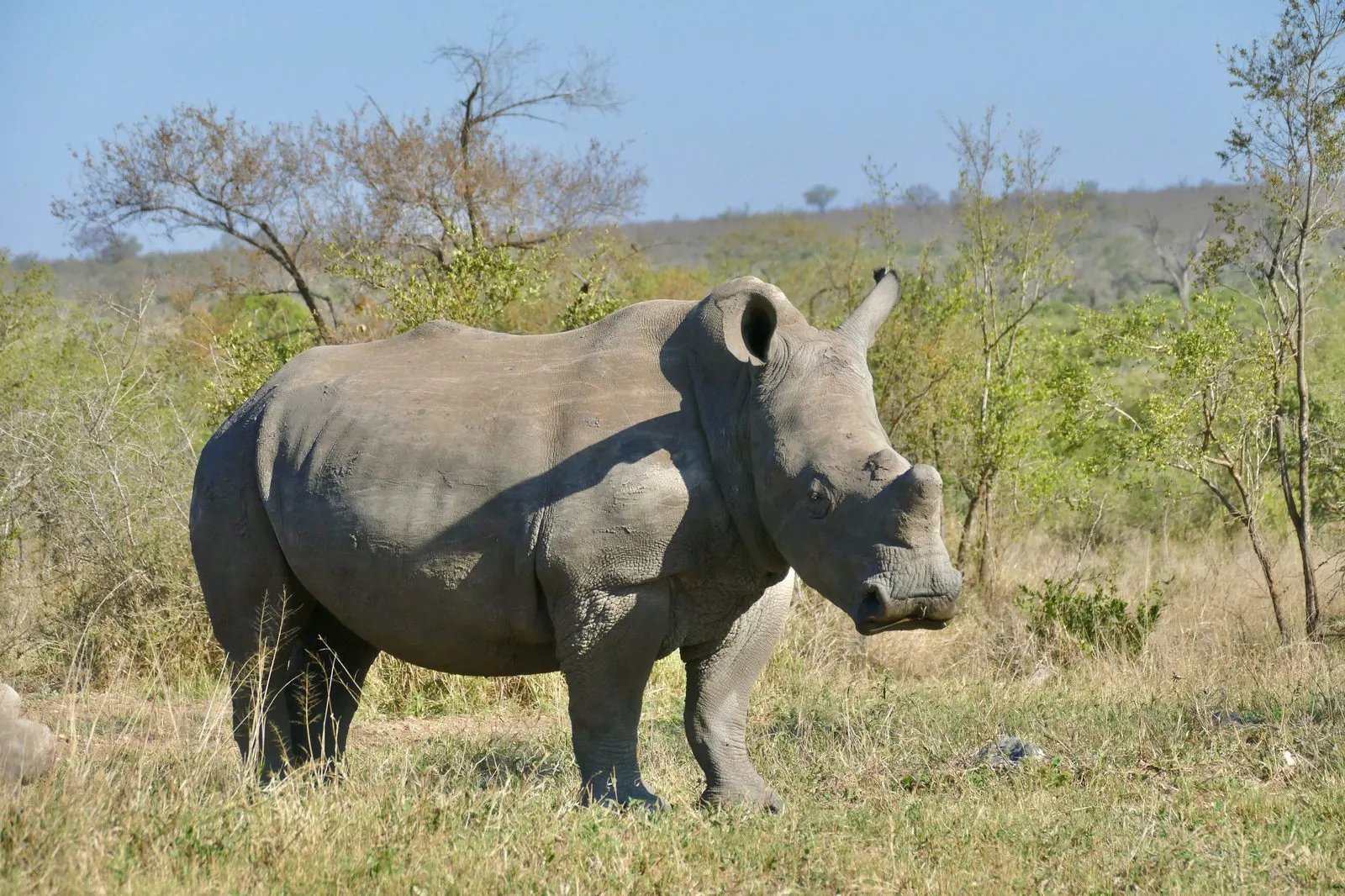
A white rhino in Kruger National Park
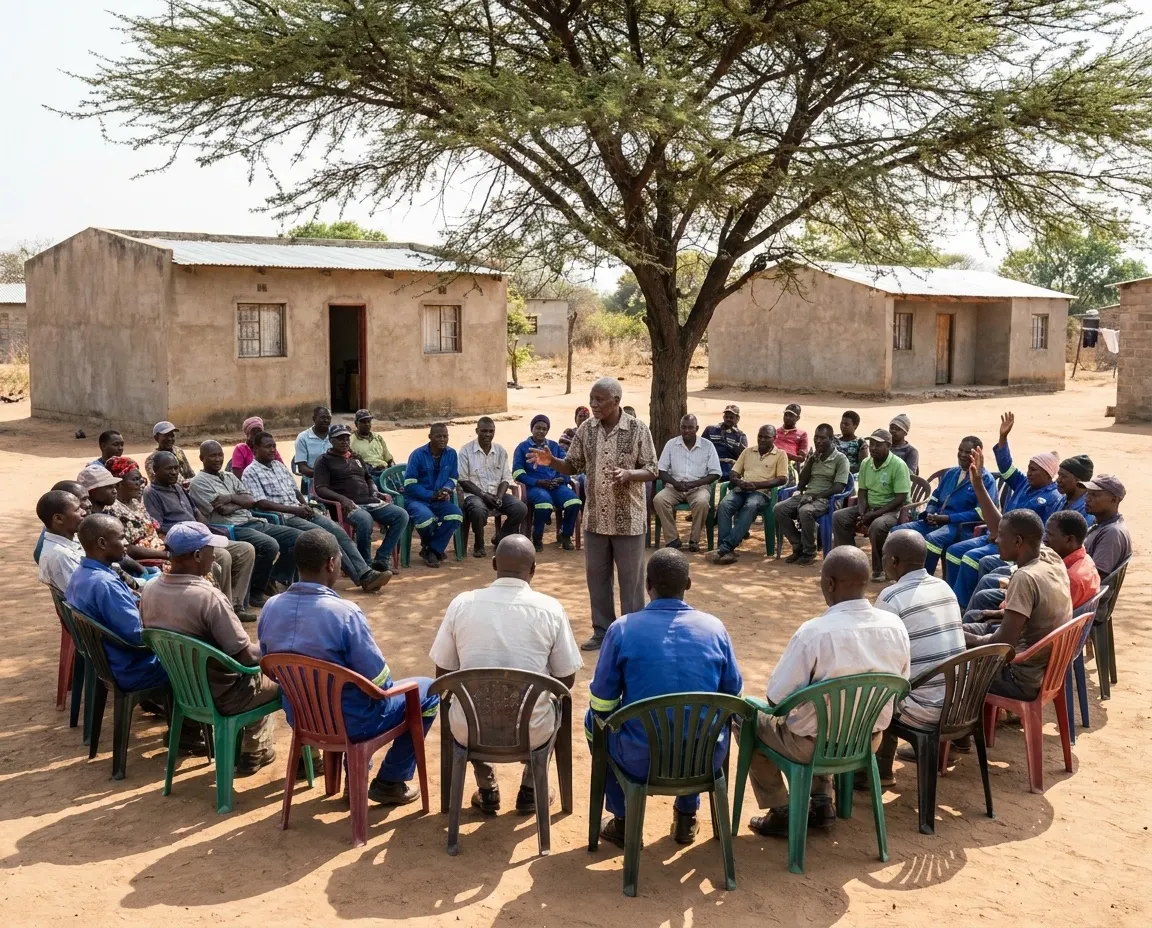
Community partnership meeting in a village bordering the Greater Kruger
Strategic Step IV

Communities as Partners

None of this works without the people who live here. GKWF works with communities within and around the protected areas as co-designers of the work, not recipients of it.

Working together to:

  • Understand local priorities and constraints
  • Reduce human-wildlife conflict
  • Identify opportunities for shared benefits
  • Support community-based conservation initiatives

Our goal is not outreach. It is partnership.

From insight to impact.

Each step feeds the next, and outcomes from the field continuously reinform the cycle.

I
Engage
On-the-ground presence and trusted relationships
II
Define
Structure problems into implementable initiatives
III
Fund
Mobilize partners and capital for priority actions
IV
Partner
Implement with communities and across sectors
Continuous learning feeds back to the field

What makes this approach different.

Most conservation organizations focus on single sites. GKWF operates at landscape scale: across boundaries, sectors, and stakeholder groups.

Single-site projects

  • Bounded by one reserve or protected area
  • Siloed from neighboring stakeholders
  • Funding tied to a single donor relationship
  • Outcomes difficult to scale beyond one site
  • Community engagement treated as outreach, not partnership
  • Solutions may work locally but fail at the ecosystem level

Landscape-level coordination

GKWF approach
  • Active presence across public, private, and communal lands
  • System-wide challenge identification across reserves
  • Co-investment model across multiple partners and donors
  • Scalable, evidence-based interventions designed to replicate
  • Communities as co-designers and co-beneficiaries
  • Coordinated solutions that move the whole ecosystem forward

Have a project that fits this approach?

Let's talk. If your work touches the Greater Kruger landscape, whether you represent a reserve, a community organization, or a funding body, we want to hear from you.